About 黄 帝 内 经
The main idea of Huangdi Neijing centers on a holistic view of health and the concept of harmony between humans and nature. It teaches that the human body is closely connected with the natural environment, and that health depends on the balance of yin and yang, harmony among the internal organs, and the smooth flow of qi and blood. The text emphasizes the principle of “treating disease before it arises,” advocating adaptation to seasonal changes, proper self-care, and disease prevention. It also promotes analyzing bodily changes to guide diagnosis and treatment, with the ultimate goal of maintaining balance, preserving health, and promoting longevity.
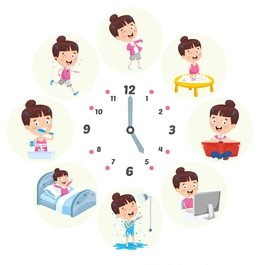
| Time | Organ/Meridian | Traditional Health Focus |
|---|---|---|
| 11 PM – 1 AM | Gallbladder | Deep sleep, restoring yang energy |
| 1 AM – 3 AM | Liver | Blood restoration, emotional recovery |
| 3 AM – 5 AM | Lung | Breathing regulation |
| 5 AM – 7 AM | Large Intestine | Bowel movement |
| 7 AM – 9 AM | Stomach | Best time for breakfast |
| 9 AM – 11 AM | Spleen | Digestion and absorption |
| 11 AM – 1 PM | Heart | Rest and short nap |
| 1 PM – 3 PM | Small Intestine | Nutrient absorption |
| 3 PM – 5 PM | Bladder | Hydration and physical activity |
| 5 PM – 7 PM | Kidney | Conserving energy |
| 7 PM – 9 PM | Pericardium | Relaxation and emotional balance |
| 9 PM – 11 PM | Triple Burner (San Jiao) | Preparing for sleep |
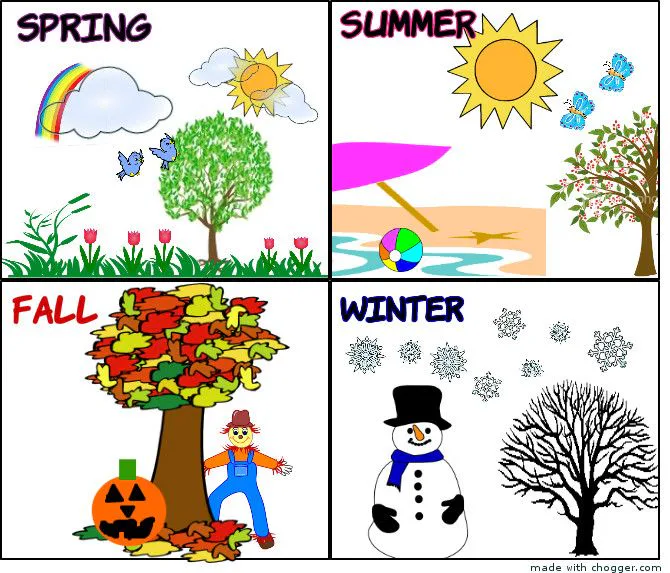
The human body changes along with the seasons. The idea of “spring growth, summer flourishing, autumn gathering, and winter storing” reflects not only the rhythms of nature but also the body’s internal rhythms. In spring, yang energy rises and metabolism becomes more active, so people may experience fatigue, mood fluctuations, or allergies; therefore, it is considered beneficial to wake earlier, move more, and keep emotions open and relaxed. In summer, yang energy reaches its peak, sweating and physical consumption increase, and people may feel irritable, tired, or sleep more lightly, so hydration, moderate rest, and avoiding excessive cold exposure are emphasized. In autumn, the climate becomes dry and the body’s energy begins to turn inward, which may lead to dry skin, throat discomfort, or low mood; thus, traditional advice focuses on nourishing the lungs, sleeping earlier, and reducing excessive exertion. In winter, yang energy is believed to become deeply stored, metabolism slows down, and the body enters a restorative phase, making people more prone to coldness, fatigue, and worsening chronic conditions; therefore, warmth, rest, and conserving energy are considered especially important. The core philosophy is not about mystical supplements or quick fixes, but about adjusting one’s lifestyle according to seasonal changes so the body can naturally move through cycles of growth, activity, consolidation, and restoration, maintaining long-term balance and health.

It is not simply about eating “healthy foods,” but about maintaining regularity, balance, and harmony with the body’s natural needs and seasonal changes. It suggests that many illnesses do not appear suddenly, but gradually develop from long-term dietary imbalance, excess, or lack of restraint. The text emphasizes eating with consistency and moderation — neither overeating nor chronic undereating. Excessive eating is believed to burden digestion and weaken the body, while insufficient eating may lead to low energy and weakness. It also stresses regular meal timing, especially valuing breakfast, because digestion is thought to follow its own daily rhythm. Eating too late at night is discouraged, since nighttime is viewed as a period for recovery rather than continuous digestion. In terms of food choices, the Huangdi Neijing promotes balance among the “five flavors” — sour, bitter, sweet, pungent, and salty — warning that excessive preference for any one taste may disrupt the body’s balance. It particularly advises against excessive cold or raw foods, as traditional Chinese medicine considers the digestive system to function best with warmth. The text also recommends adjusting diet according to the seasons: lighter foods in spring and summer, moistening foods in autumn, and more warming nourishment in winter. Overall, its central message is not about mysterious dietary formulas, but about a sustainable and balanced way of eating — regular, moderate, and not excessively indulgent or restrictive — so the body can function steadily over the long term.
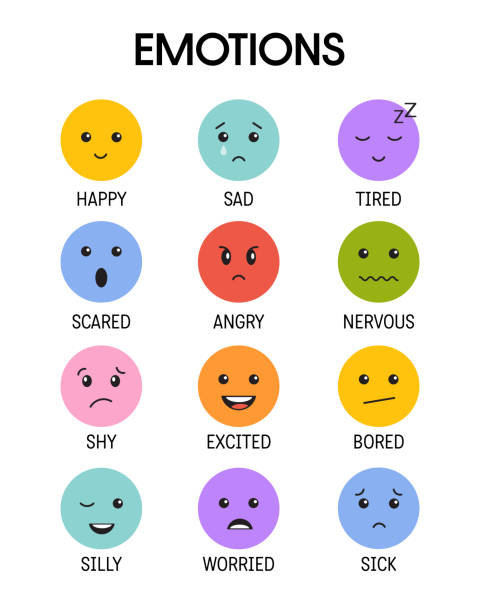
The human emotions are inseparable from bodily function and are closely linked to the five internal organs: the Heart governs joy, the Liver governs anger, the Spleen governs overthinking, the Lungs govern sadness, and the Kidneys govern fear. In this framework, emotions are not merely psychological experiences but expressions of the movement of vital energy (qi) within the body: joy relaxes and disperses qi, anger causes it to rise, overthinking causes it to become knotted, sadness disperses it, and fear causes it to descend. When emotions are excessive or prolonged, they disturb the normal flow of qi and blood, leading to physical and emotional imbalance—for example, excessive joy may disturb the heart and cause restlessness or insomnia, anger may lead to liver qi rising and tension or headaches, overthinking may impair the spleen and cause fatigue and poor focus, sadness may weaken lung qi and reduce vitality, and fear may affect kidney qi and create weakness or insecurity. At the same time, the relationship is bidirectional: dysfunction in the body can also generate emotional disturbances, creating a reinforcing cycle between mind and body. The central idea of the Huangdi Neijing is the unity of body and mind, meaning that maintaining emotional balance and regulating lifestyle and bodily functions are essential for achieving overall physical and psychological harmony.
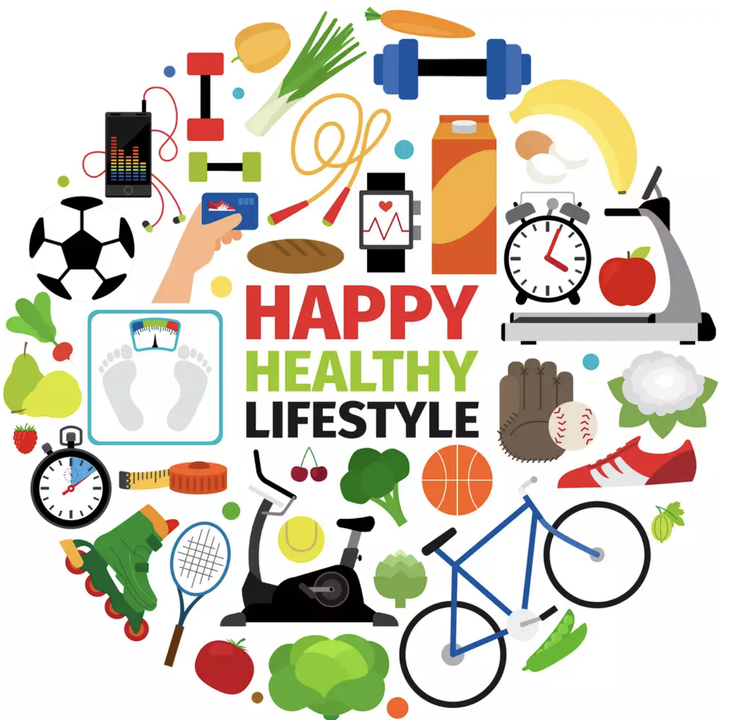
The fundamental principle of regulating health is to restore balance among Yin and Yang, ensure the smooth flow of vital energy (qi) and blood, and harmonize the functions of the five internal organs. This is not achieved through a single method but through a comprehensive system of mind-body cultivation. First, at the emotional level, the text emphasizes that emotional disturbances are a major cause of illness; therefore, one should consciously regulate the five emotions—joy, anger, overthinking, sadness, and fear—since excessive or prolonged emotional states directly affect the movement of qi and can disturb corresponding organ functions (for example, anger causes qi to rise, overthinking causes qi to stagnate, and sadness disperses qi). Second, in terms of daily rhythm, it advocates aligning with the natural cycle of day and night, rising with the sun and resting at sunset, with particular emphasis on sleep as essential for restoring the mind and nourishing liver blood, while late nights are believed to deplete vital essence and weaken recovery capacity. Third, regarding physical activity, it highlights that movement generates yang energy, recommending moderate and consistent exercises such as walking, guiding exercises, or practices like Baduanjin to promote circulation of qi and blood, while avoiding both sedentary behavior that causes stagnation and excessive exercise that damages vital energy. Fourth, in diet, it stresses moderation—neither hunger nor overeating, and avoiding excessive cold or heat—so as to maintain the spleen and stomach, which are considered the foundation of energy production in the body. Additionally, it encourages reducing chronic stress and overwork so that the body remains in a state capable of self-recovery. Overall, the core idea of the Neijing is to “regulate emotions to calm the spirit, follow natural rhythms to nourish qi, engage in appropriate movement to circulate blood, and maintain dietary moderation to strengthen the foundation,” thereby restoring the body’s self-regulating capacity and achieving long-term harmony between mind and body, with smooth qi and blood flow and stable health.

Live in harmony with nature by balancing your emotions, lifestyle, and daily rhythms so your body’s qi, blood, and organs can stay in natural equilibrium and maintain health.
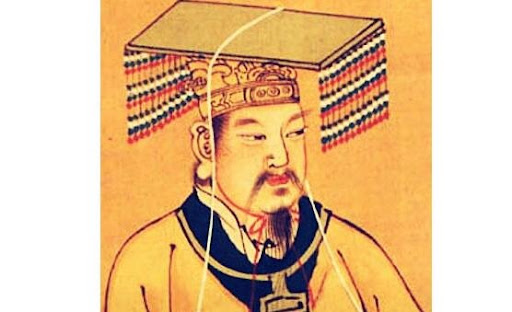
Emperor Huang
