About 伤 寒 杂 病 论
The main idea of Shang Han Za Bing Lun is centered on holistic medicine and treatment based on syndrome differentiation. It teaches that illness arises from factors such as the body's vital energy, external pathogenic influences, and imbalance between yin and yang. The text emphasizes observing causes, symptoms, and disease progression to identify the nature and stage of illness, then applying individualized treatment accordingly. Its goal is to restore balance, strengthen the body's resistance, eliminate harmful influences, and maintain health. This philosophy became a foundation of traditional Chinese medicine and has had a lasting influence on later medical practice.
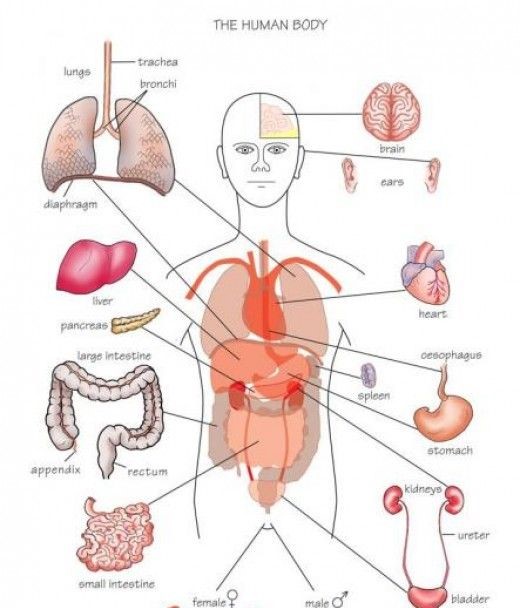
According to Shang Han Za Bing Lun, the body’s internal organ systems do not function independently; rather, they are interconnected and influence one another through meridians, qi and blood, and the balance of yin and yang, forming an integrated whole. The heart, liver, spleen, lungs, and kidneys each have their own functions while working in coordination to maintain the body’s normal physiological activities. When one organ system becomes dysfunctional, it can affect others and contribute to the development or progression of disease. Therefore, diagnosis and treatment should not focus only on a single organ or symptom but should take a holistic approach by analyzing the relationships among organ systems and patterns of disease. Through balancing yin and yang and coordinating organ functions, the goal is to restore the body’s overall harmony and health.
Overall, these organ systems are viewed as mutually supportive and interconnected through concepts such as the Heart–Kidney connection, Liver–Spleen harmony, Lung–Kidney mutual support, and Liver–Kidney shared origin. TCM emphasizes maintaining health through balance, regular routines, proper diet, moderate exercise, and emotional well-being, following principles described in Huangdi Neijing.
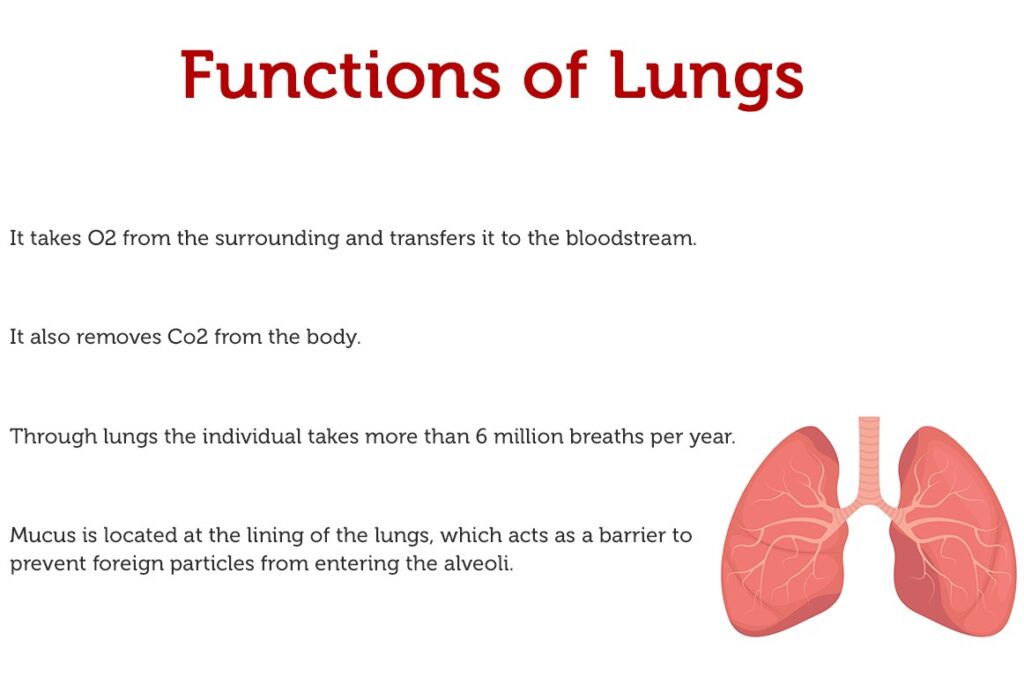
Lungs govern qi and respiration and are responsible for distributing qi, body fluids, and protective energy throughout the body. The lungs are closely connected with other organ systems and play a central role in maintaining overall balance. The lungs and heart work together through the relationship between qi and blood: the lungs help regulate breathing and provide qi, while the heart circulates blood throughout the body. The lungs and spleen support each other, as the spleen transforms nutrients and sends them upward to the lungs for distribution; weakness in the spleen may affect lung function and contribute to fatigue or phlegm accumulation. The lungs and kidneys form the “Lung–Kidney relationship,” in which the lungs govern breathing while the kidneys help receive and hold qi; imbalance may lead to shortness of breath, weakness, or respiratory issues. The lungs are also closely associated with the body’s surface and immune defenses, making them sensitive to external influences. Therefore, lung imbalance is viewed as something that can affect multiple systems throughout the body. Traditional recommendations for supporting lung balance include practicing deep breathing exercises, engaging in moderate aerobic activity, avoiding smoking and environmental irritants, maintaining good air quality, staying physically active, and following regular lifestyle habits to support overall harmony and health.
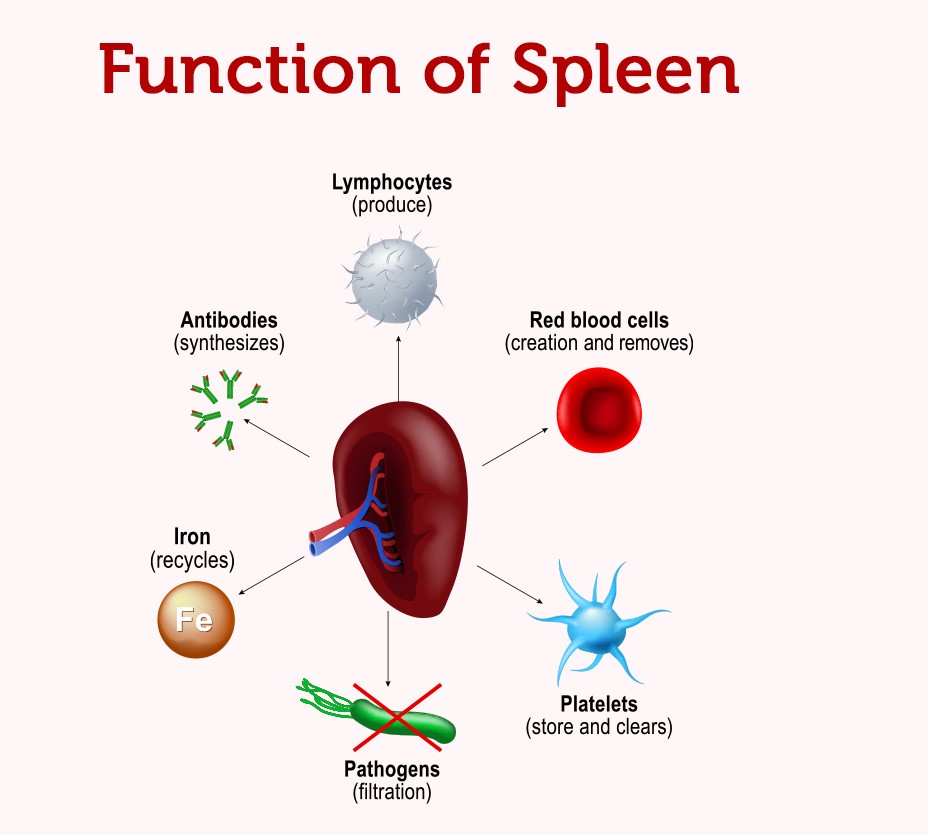
Spleen governs the transformation and transportation of nutrients and fluids and is regarded as the foundation of postnatal energy and the source of qi and blood production. The spleen is closely connected with other organ systems and plays an important role in maintaining the body’s balance. The spleen and heart work together because the spleen helps generate qi and blood, which nourish the heart and support circulation and mental activity. The spleen and liver maintain a relationship of coordination, where smooth liver qi helps digestive function, while liver qi stagnation may interfere with the spleen and lead to symptoms such as bloating, poor appetite, or digestive discomfort. The spleen and lungs also support each other, as nutrients transformed by the spleen are sent upward to the lungs and distributed throughout the body; weakness in the spleen may affect lung function and contribute to fatigue or phlegm accumulation. The kidneys further support the spleen by providing warming energy needed for digestion and fluid metabolism. Therefore, spleen imbalance is viewed as affecting multiple organ systems rather than only digestion. Traditional recommendations for supporting spleen balance include maintaining regular eating habits, avoiding overeating and excessive cold or greasy foods, eating warm and nourishing meals, exercising moderately, reducing excessive worry or stress, and maintaining a stable daily routine to support overall harmony and health.
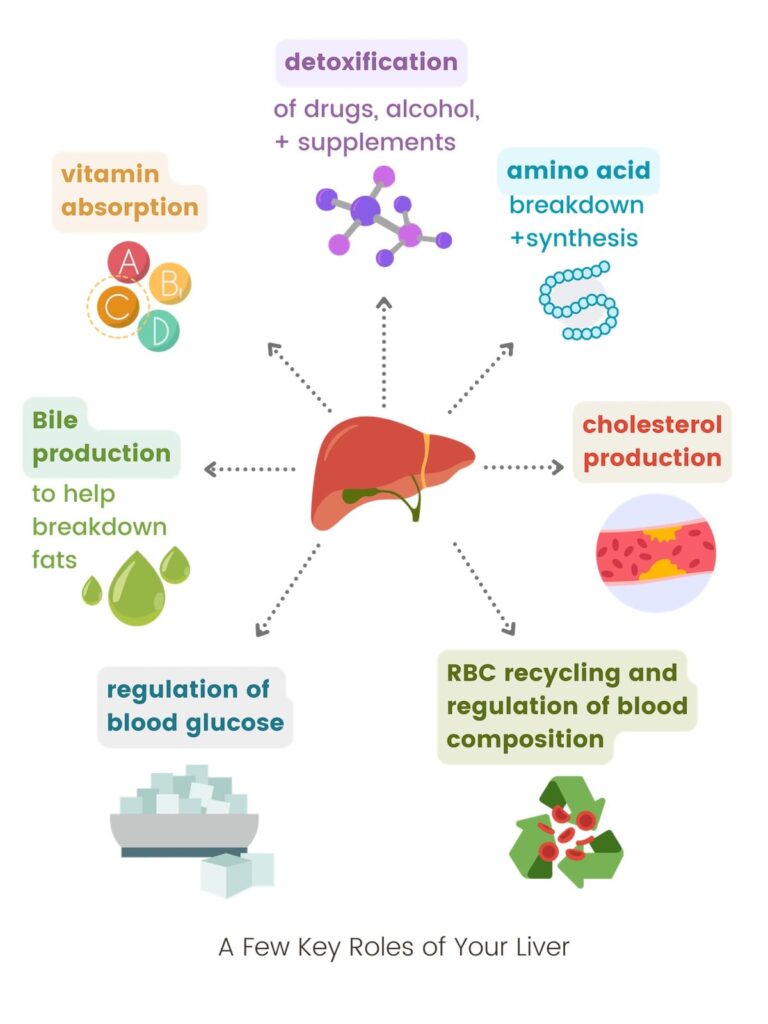
According to the holistic principles described in Shang Han Za Bing Lun, the liver governs the smooth flow of qi and stores blood, helping regulate the movement of qi and blood throughout the body. It is closely connected with the heart, spleen, lungs, and kidneys. The liver and heart work together to maintain circulation; when liver blood is insufficient, it may affect the heart and mind, leading to symptoms such as insomnia or restlessness. The liver and spleen coordinate with one another, as smooth liver qi supports digestion, while liver qi stagnation may contribute to poor appetite, bloating, or digestive discomfort. The liver and lungs jointly regulate the body’s qi movement, so imbalance may affect breathing and emotional well-being. The liver and kidneys are also considered to have a “shared origin,” with kidney essence nourishing liver blood and supporting each other. Therefore, liver dysfunction is not viewed as an isolated issue but as something that may influence the body’s overall balance. Traditional recommendations for supporting liver health include managing emotions, reducing long-term stress and anger, maintaining regular sleep habits, engaging in moderate exercise to promote circulation, and avoiding excessive greasy foods, alcohol, and overeating, with the goal of supporting harmony among the body’s organ systems.
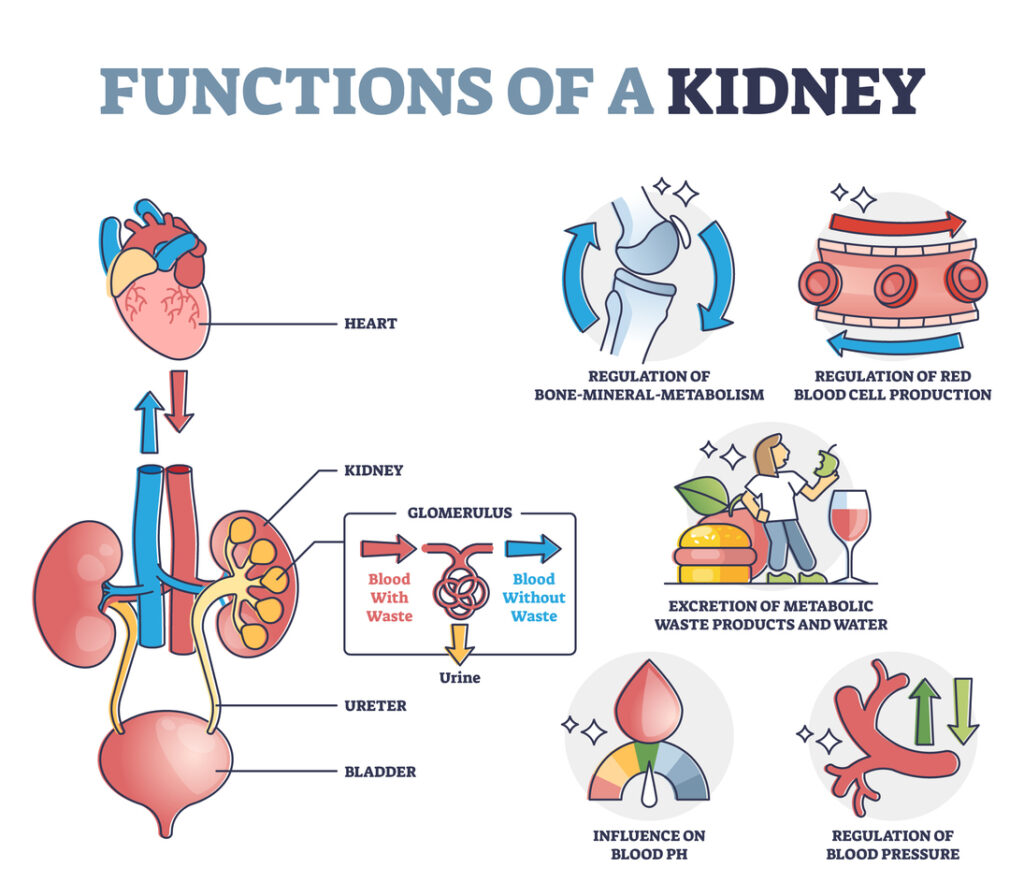
The kidneys store essence and are considered the foundation of growth, reproduction, water metabolism, and vitality. The kidneys are closely connected with other organ systems and help maintain the body’s overall balance. The kidneys and heart maintain the “Heart–Kidney connection,” where kidney water helps nourish and balance heart fire; when this relationship is disrupted, symptoms such as insomnia, anxiety, palpitations, or restlessness may occur. The kidneys and liver are described as having a “shared origin,” with kidney essence nourishing liver blood and supporting emotional and physical functions. The kidneys and lungs work together in the “Lung–Kidney relationship,” where the lungs govern breathing and the kidneys help receive and hold qi; imbalance may contribute to shortness of breath or weakness. The kidneys also support the spleen by providing warming energy for digestion and fluid metabolism. Therefore, kidney weakness is believed to affect multiple body systems rather than only one organ. Traditional recommendations for supporting kidney balance include maintaining adequate sleep, avoiding overwork and chronic stress, engaging in moderate exercise, conserving physical energy, staying warm, and following a balanced lifestyle to support harmony among the body’s interconnected organ systems.
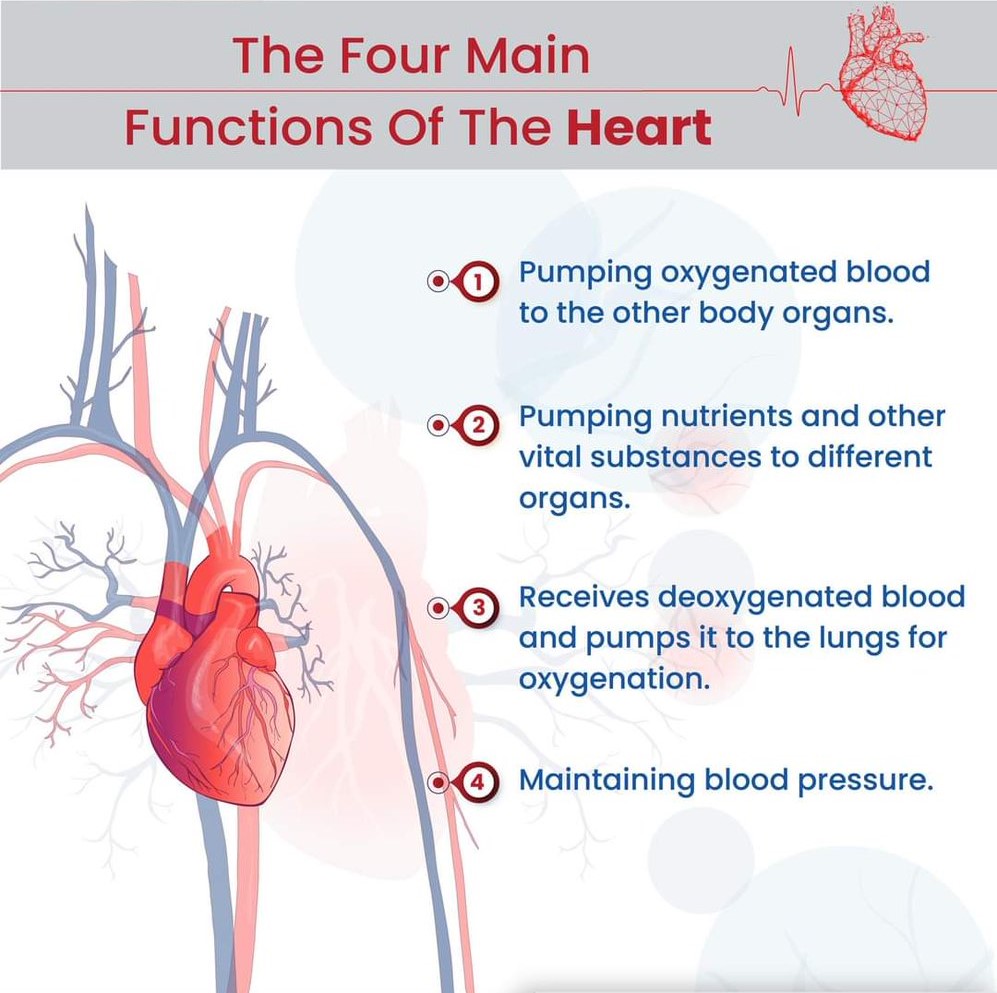
According to the holistic principles described in Shang Han Za Bing Lun, the heart governs blood circulation and houses the mind and spirit, playing an important role in consciousness, emotions, thinking, and sleep. The heart is closely connected with other organ systems throughout the body. The heart and liver work together to regulate blood circulation; when liver blood is deficient, it may affect the nourishment of the heart and mind. The heart and spleen cooperate in the production and circulation of qi and blood, since the spleen provides nutrients that support blood formation. The heart and lungs work together through the relationship between qi and blood, as the lungs help distribute qi while the heart circulates blood. The heart and kidneys maintain a relationship known as the “Heart–Kidney connection,” in which heart fire and kidney water balance and support each other. When this balance is disrupted, symptoms such as insomnia, palpitations, anxiety, restlessness, or fatigue may appear. Therefore, heart function in traditional Chinese medicine is viewed as part of an interconnected system rather than an isolated organ. Suggested ways to support heart balance include maintaining regular sleep, managing emotional stress, avoiding excessive mental strain, engaging in moderate physical activity, practicing relaxation techniques such as meditation or deep breathing, and maintaining a balanced lifestyle to promote harmony among the body’s organ systems.

Maintaining the body's internal balance is the foundation of health and the best form of preventive medicine.
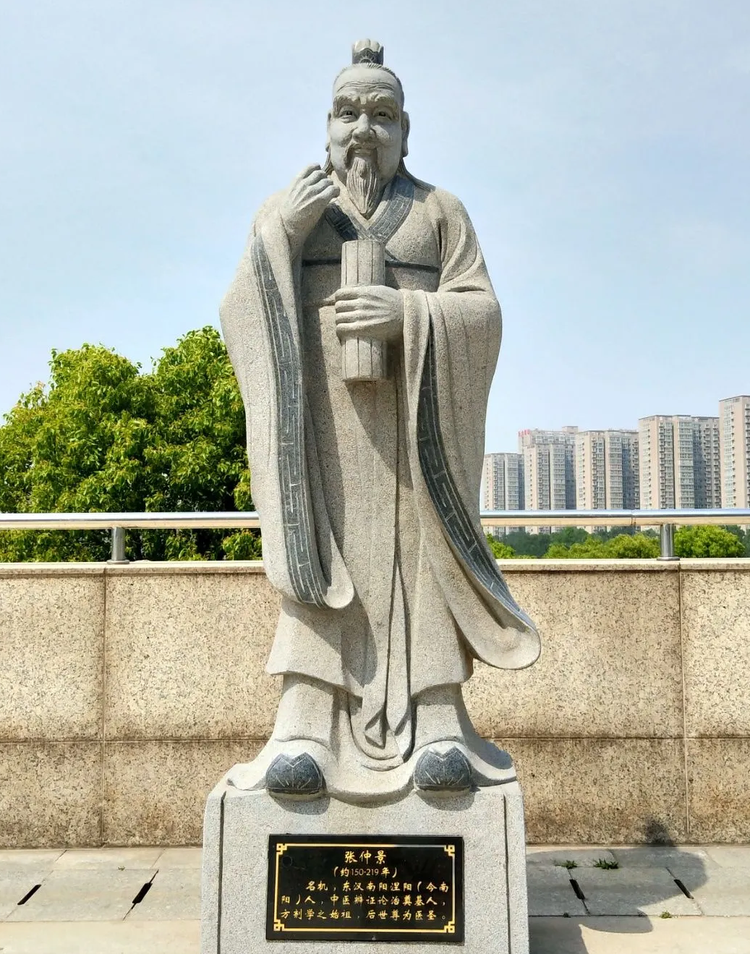
Zhang, Zhongjing
